
Southeast Asia’s Border Disputes: Wars in Waiting?
The region’s maritime borders are hotly contested, but on land there’s the real risk of conflict, too.
2 hrs ago - Opinion
Trending
Opinion - 15 August 2026 - 10:20 AM
By Anisul Islam, UNB News
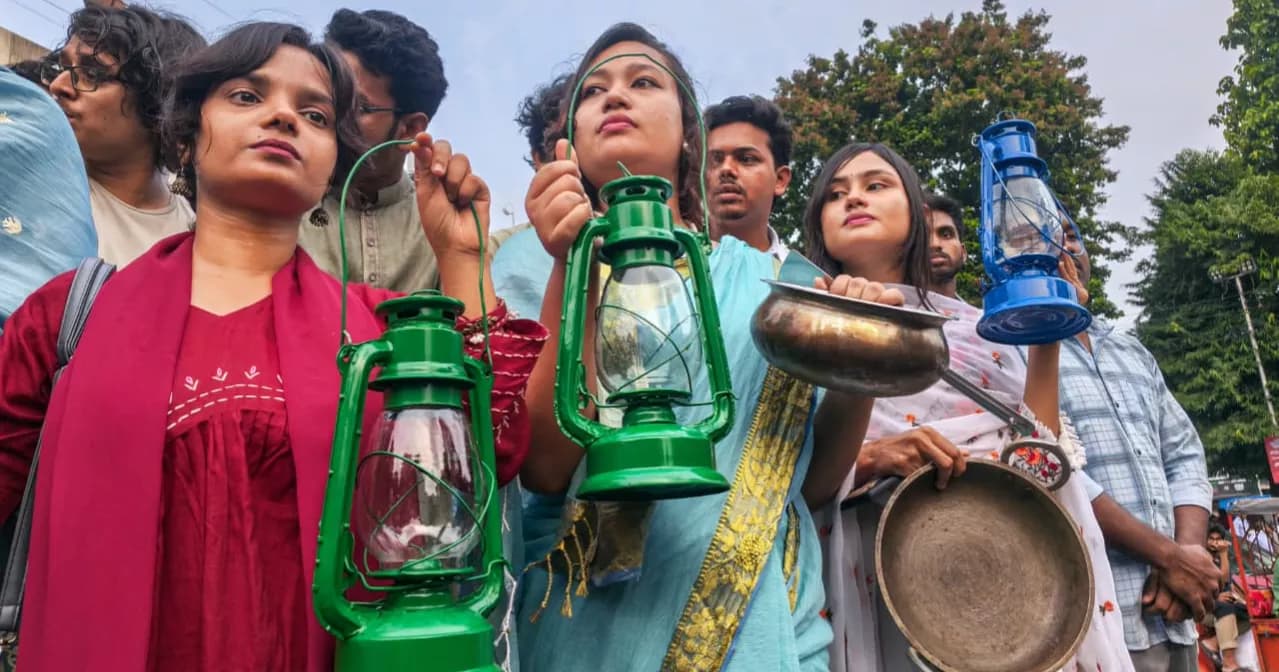
Bangladesh’s worsening gas crisis is disrupting industrial production, straining households and threatening the country’s export earnings as severe shortages force factories to rely on costly diesel generators while consumers grapple with low gas pressure for cooking.
Industry leaders said persistent shortages of gas and electricity have disrupted production in key export-oriented sectors, particularly readymade garments (RMG), textiles and steel, increasing costs and jeopardising delivery schedules for overseas buyers.
Households in Dhaka and other urban areas have also been bearing the brunt of the crisis, with many residents reporting little or no gas supply during peak cooking hours.
Families have been forced to cook late at night or early in the morning when pressure improves slightly, while many have turned to liquefied petroleum gas (LPG) cylinders or electric appliances, adding to their monthly expenses.
The crisis has intensified following a technical failure on July 22 at one of the country’s floating storage and regasification units (FSRUs), which cut liquefied natural gas (LNG) supply to the national grid by around 450-500 million cubic feet per day (MMCFD).
Bangladesh’s daily gas demand stands at around 3,800-4,000 MMCFD, while normal supply is only 2,600-2,700 MMCFD, leaving a structural deficit of more than 1,100 MMCFD, according to the Ministry of Power, Energy and Mineral Resources.
Since the FSRU outage, supply has dropped further to about 2,150 MMCFD, widening the shortfall to nearly 1,700 MMCFD.
Domestic gas production currently ranges between 1,650 and 1,950 MMCFD but is declining by roughly 150 MMCFD annually as major gas fields become depleted.
Under normal conditions, imported LNG contributes around 1,000 MMCFD to the national grid.
The reduced gas supply has also affected electricity generation.
Gas allocation to power plants has fallen from about 900 MMCFD to 700 MMCFD, reducing gas-fired electricity output from around 5,200 megawatts (MW) to 3,500 MW and leading to power shortages of between 2,000 MW and 3,000 MW nationwide, according to the ministry.
Manufacturers say the twin shortages of gas and electricity have created severe bottlenecks across industrial supply chains.
Export-oriented factories are facing repeated production interruptions, increasing the risk of delayed shipments, financial penalties and order cancellations from international buyers.
Bangladesh Garment Manufacturers and Exporters Association (BGMEA) President Mahmud Hasan Khan said garment factories have struggled to maintain smooth production over the past several weeks because of inadequate gas and electricity supplies.
He said the trade body has already requested the government to ensure uninterrupted energy supply to manufacturing industries.
BKMEA President Muhammad Hatem echoed the concern, saying knitwear factories are also suffering from reduced gas pressure and unreliable electricity, forcing many to cut production or switch to high-cost diesel generators.
Economists say the current crisis highlights deeper structural weaknesses in the country’s energy sector.
Khondaker Golam Moazzem, research director at the Centre for Policy Dialogue (CPD), said Bangladesh needs to rethink its long-term energy strategy instead of relying heavily on imported fuel.
“Meeting the country’s energy demand mainly through imports is not a viable option because Bangladesh does not have sufficient foreign exchange to sustain such purchases,” he said.
Instead, the government should give greater priority to renewable and clean energy to strengthen long-term energy security and reduce dependence on imported fossil fuels, he added.
Officials expect the affected LNG terminal to gradually return to full capacity by mid-August. However, industry leaders and consumers alike fear that unless gas supply improves soon, disruptions to industrial production, exports and daily household life will persist.
According to Petrobangla, the gas supply disruption has reduced gas-based power generation by around 1,500 megawatts, heightening the risk of extensive load-shedding across the country.
The shortage has also led to long queues at CNG filling stations in the capital, while low gas pressure has forced many industries to scale back production.
Petrobangla apologised to consumers for the disruption, saying technical teams were working round the clock to restore operations at the affected LNG terminal.
Titas Gas Transmission and Distribution PLC said consumers in Dhaka and adjoining districts would continue to experience low gas pressure until normal supply is restored.
The government on Tuesday once again apologised for the public suffering caused by the ongoing gas crisis, saying it is working on multiple fronts to restore normal supply after a major mechanical fault at a floating storage and regasification unit (FSRU) disrupted imported LNG supply.
“The technical failure at one of the country’s FSRUs has significantly reduced gas supply to the national grid, causing shortages for industries, power plants, CNG filling stations and household consumers,” State Minister for Power, Energy and Mineral Resources Aninda Islam Amit said while speaking to reporters at the Secretariat.
The region’s maritime borders are hotly contested, but on land there’s the real risk of conflict, too.
2 hrs ago - Opinion
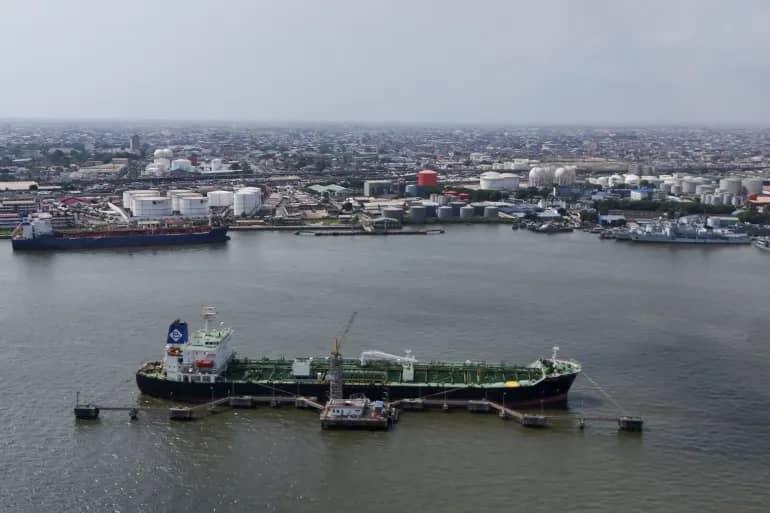
As the disruption of traffic in the Strait of Hormuz continues, African economies have taken a heavy hit. This is despite the fact that they possess vast energy and other resources. Four years ago, the Russia-Ukraine war had a similar impact.
3 hrs ago - Opinion
The question is not simply why this year’s students performed badly. The more important question is why the sytstem failed to identify and address their weaknesses.
15 Aug 2026, 11:58 AM - Opinion
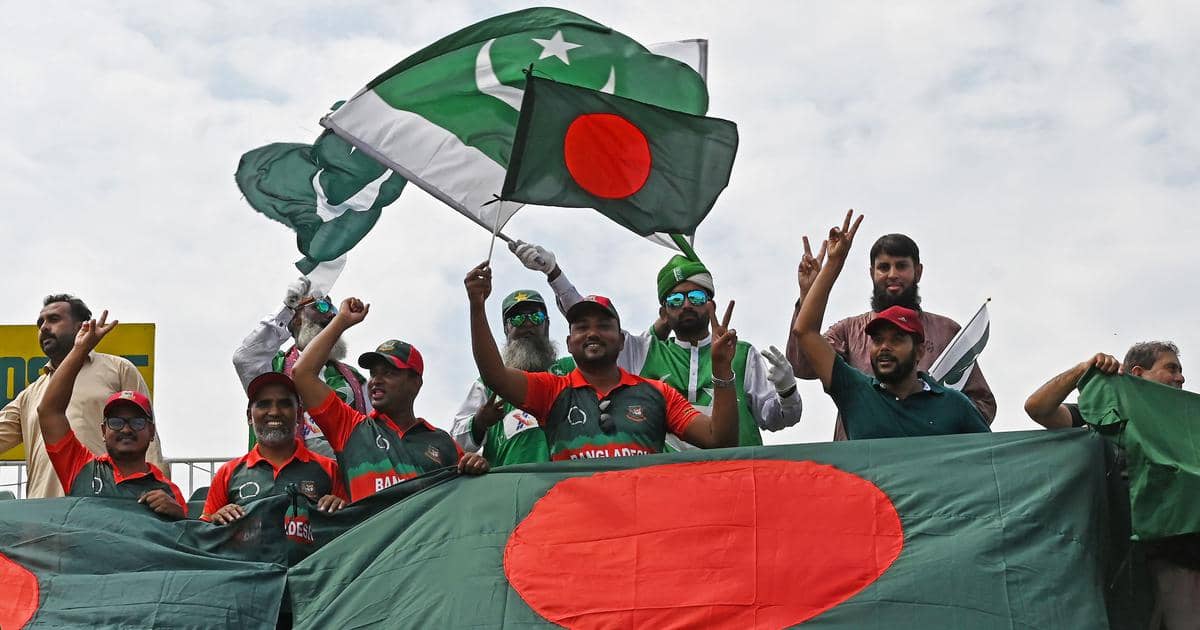
For years, August 15 in Bangladesh commemorated one event above all others: the assassination of the country’s founding president, Sheikh Mujibur Rahman, and most of his family in 1975. It was observed as a day of state mourning.
15 Aug 2026, 11:17 AM - Opinion