By Waqar A Khan, Founder of the Bangladesh Forum for Heritage Studies.
It all started quite by accident. In 1981, while visiting the renowned Metropolitan Museum of Art in New York, USA, where the Festival of India was being held, I came across some remarkable vintage photographs of British India and the Princely States on display. As I stood transfixed in front of a large, attractive photograph of an Indian potentate of yore, a gorgeously attired old Maharajah who stared balefully at the camera, a thought struck me. Would it be possible to locate, retrieve, collect, identify, faithfully restore and research vintage photographs in Bangladesh? I was, of course, aware that, given the climatic conditions in our deltaic country, which are averse to any sort of preservation, let alone the survival of vintage photographs, it would be very difficult to find them in good condition.
The idea then lay dormant in my mind for over a decade. Once back home, from 1997 onwards, and in stages, I actively started working on self-initiated projects involving the rediscovery, restoration and research of vintage photographs and writing their photographic history. I had laboriously managed to locate most of these photographs in private collections. Most of the photographs I came across were invariably in varying stages of damage and decay. Sadly enough, this was primarily due to a lack of awareness among the owners and their failure to apply even very basic preservation techniques.
Sir Khawaja M. Nazimuddin (1894–1964), CIE, a prominent politician from East Bengal, now Bangladesh. Photo: Edna Lorenz, Calcutta, 1933.
Consequently, I came to learn that some valuable photographic collections had perished in private hands over the decades, and even in institutions I found some collections kept in a state of utter neglect. Many a rare photograph could have been saved with even some rudimentary attention and care.
The painstaking task of locating, restoring and researching vintage photographs has become a consuming passion of mine. The hard work that went into producing the first manuscript finally paid off in 2003 through generous corporate sponsorship, culminating in the publication of a limited-edition coffee-table book, the first-ever comprehensive catalogue/book in the country on vintage photography, entitled Rare Photographs of Eastern Bengal (1880–1940) (2003), featuring a rare and splendid array of 122 old photographs thematically arranged in relevant chapters, with photo captions and explanatory text.
Sher-e-Bangla A. K. Fazlul Huq (1873–1962), a prominent politician from East Bengal, now Bangladesh. Photo: Edna Lorenz, Calcutta, 1933.
Since the publication of my first book by Standard Chartered Bank in Bangladesh, I have not looked back. Although I am not even an amateur photographer, I remain interested in photography primarily as a form of fine art. My quest for vintage photographs, in particular, is driven by historical, sociological and aesthetic considerations.
Rather belatedly, but at an opportune time, I intend to set up a state-of-the-art vintage photo archive and website, which I believe will facilitate the work of academics and research students while also serving the curious and even armchair aficionados, providing them with visual glimpses and textual information about our social and photographic history through the dissemination of specialised information. The intent is to introduce a new agenda into academic and intellectual discourse pertaining to historical and socio-cultural studies.
A rare portrait of the eminent Maharishi Debendranath Tagore (1817–1905), father of Rabindranath Tagore, photographed in his old age at his home in Jorasanko, Calcutta. Photo: Johnston & Hoffmann, Calcutta, circa 1901.
As the interpretation of images gradually moves away from the accepted sphere of photography as a typical social and pictorial document and enters the precincts of a more fluid and relatively new methodology and discourse, there is a need to exercise restraint. We should try to ensure that an archetypal photographic work does not become a stereotype when seen through the eyes of a social or cultural historian or a critical theorist. My concern is to caution viewers and readers, particularly those who are uninitiated and thus potentially gullible, against being unduly influenced by authors whose photographic works tend to construct discursive meanings around images. I remain convinced that, in most instances, it was never really the intention of the photographer to make his work unnecessarily controversial.
For example, my entire collection of hundreds of vintage photographs, retrieved mostly from private collections and encompassing a broad spectrum of visual images, consists largely of snapshots, essentially acts of self-memorialisation by people who were caught up in the excitement surrounding the advent of the photographic medium, especially during the colonial era. Thus, there is no need to read too much or too little into them. This is, of course, not to suspend objective discourse, but to strike a balance in our judgement. In the end, these rare photographs should be celebrated and enjoyed as photographic realities and works of art from the past.
Gorgeously dressed in princely attire, Maharaj-Kumar Sir Prodyot Kumar Tagore (1873–1942) of the Pathuriaghata clan of the Tagore family, Calcutta. Photo: Johnston & Hoffmann, Calcutta, circa 1903.
Restoration and, thus, conservation of vintage photographs is not an institutional priority in our country. It is somewhat understandable. Although photographic collections have existed since the 19th century, the willingness to create museum or archival photographic collections on a par with drawing or painting collections is relatively recent — maybe only decades old, depending upon the country. Photography is a relatively new medium. To an extent, it is only natural that its appreciation as a form of art has lagged behind that of other disciplines, such as painting or drawing, which have been researched, appreciated and displayed for centuries. Therefore, compared to other forms of image-making, photography still represents a small portion of collections in archives and museums worldwide.
Vintage photographic restoration and conservation, as well as education in the field, must strike a balance between the treatment of individual works and more holistic approaches to entire collections. What must be preserved for posterity are both individual photographs of varying value and lasting quality and large photographic collections that collectively need specialised care.
After the royal hunt, His Highness Nawab Sir Mahboob Ali Khan, Asaf Jah VI, Nizam of Hyderabad (seated third from left, holding his hat in his hands), poses with his entourage alongside his prized trophies, two large tigers. Seated beside the Nizam is the renowned Urdu poet Daagh Dehlvi, a step-grandson of Mughal Emperor Bahadur Shah Zafar. Photo: Raja Lala Deen Dayal, circa 1902.
I have made it my mission to envision, re-envision and reconstruct the past from assorted clusters of mostly damaged vintage photographs — repositories of lost memories. It gives me intrinsic satisfaction to be able to restore these compelling testaments of a bygone era and write their photographic history. Perhaps the best tribute to these immortal images is to let them tell their own stories!
Related Posts
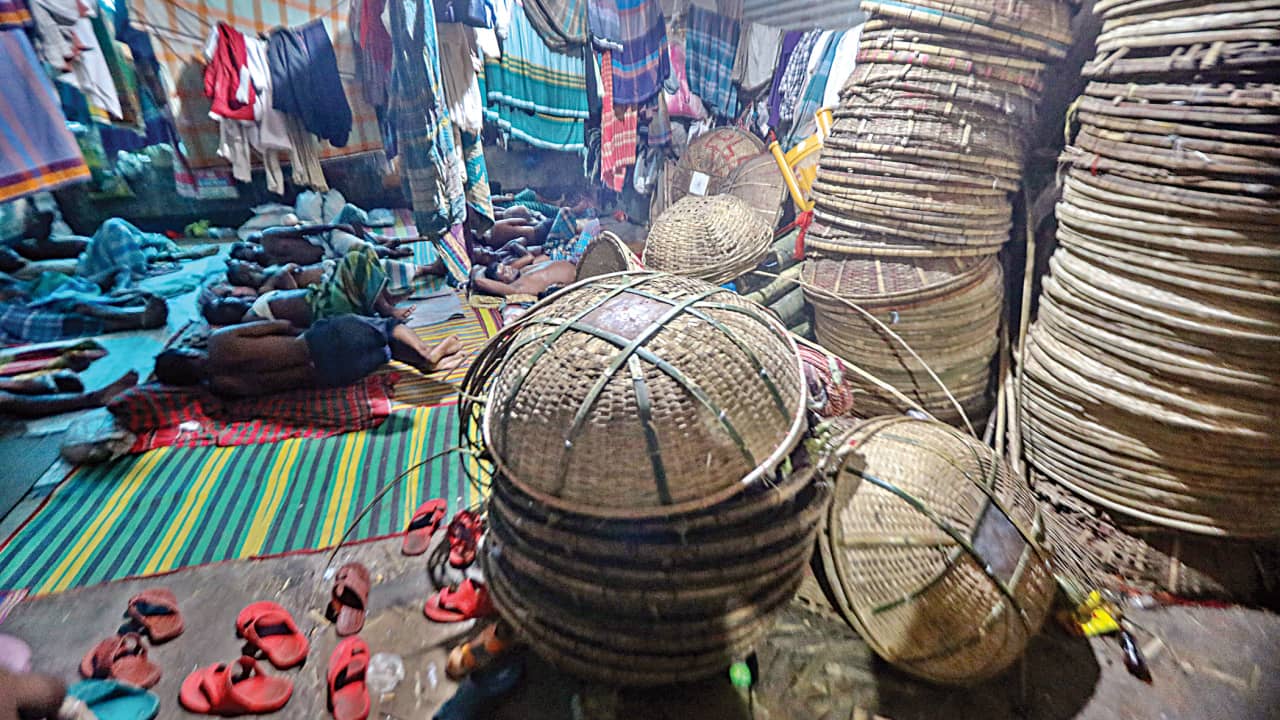
The invisible Mintis of Karwan Bazar
Every night, when most of Dhaka is winding down, Karwan Bazar comes alive. Trucks loaded with vegetables, fish and fruit crowd its narrow lanes, traders negotiate prices and buyers hurry to secure the day’s supplies
15 Aug 2026, 11:33 AM - Long Reads
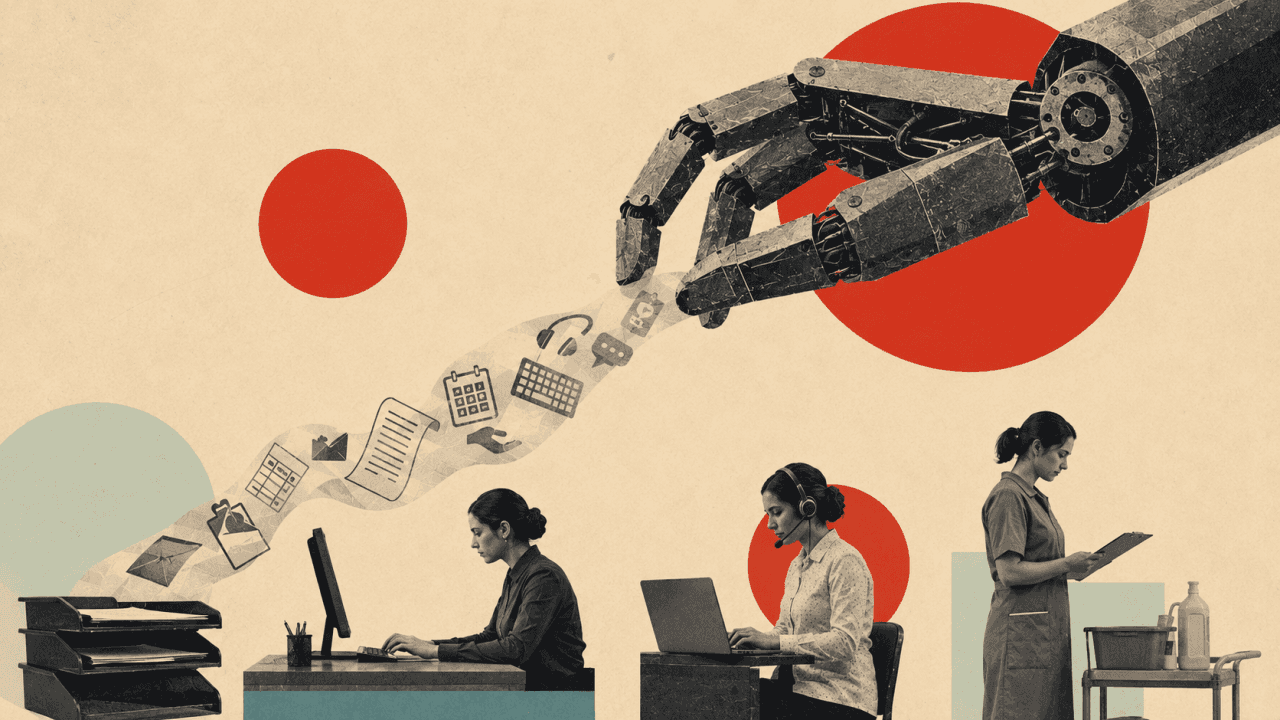
Which female-dominated jobs are actually the most exposed to AI?
As the impacts of artificial intelligence (AI) sweep across the labour force, it’s understandable for workers to be concerned about which jobs are most at risk of being replaced by technology.
15 Aug 2026, 11:29 AM - Long Reads
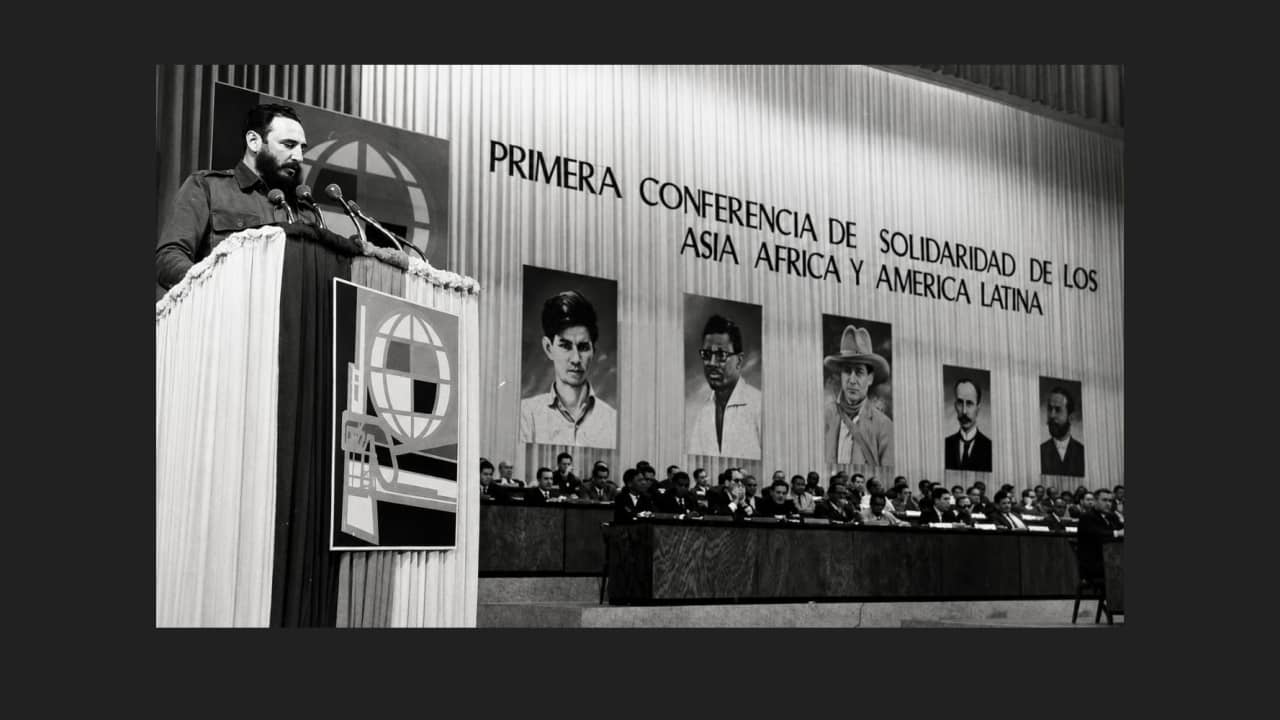
Fidel Castro at 100 / Why Fidel Castro’s legacy still haunts Washington
Fidel Castro would have been amused by an unexpected encomium from the belly of the beast on the eve of his birth centenary. Even the title of last month’s US State Department 100-page diatribe, Cuba: The Capital of 21st Century Communism, could be interpreted as a tribute. Like much else in a report intended to make the case for state capitulation or capture, this is an egregious exaggeration. The idea, obviously, is to illustrate how a small Caribbean island has posed an unacceptable threat to US ‘national security’ for nearly 70 years, and why that nuisance must be eliminated. Yet the supporting text is not mere fiction. Chunks of it could be read as an explanation for why Cuba proved so influential internationally in the decades after the 1959 revolution spearheaded by Castro.
15 Aug 2026, 11:23 AM - Long Reads
More From This Reporter
15 Aug 2026, 11:33 AM - Long Reads
The invisible Mintis of Karwan Bazar
15 Aug 2026, 11:20 AM - Explainer
August 14 vs August 15 / Why India and Pakistan celebrate independence a day apart
15 Aug 2026, 11:10 AM - Explainer
How to bring more playfulness to your everyday life
15 Aug 2026, 11:03 AM - Feature
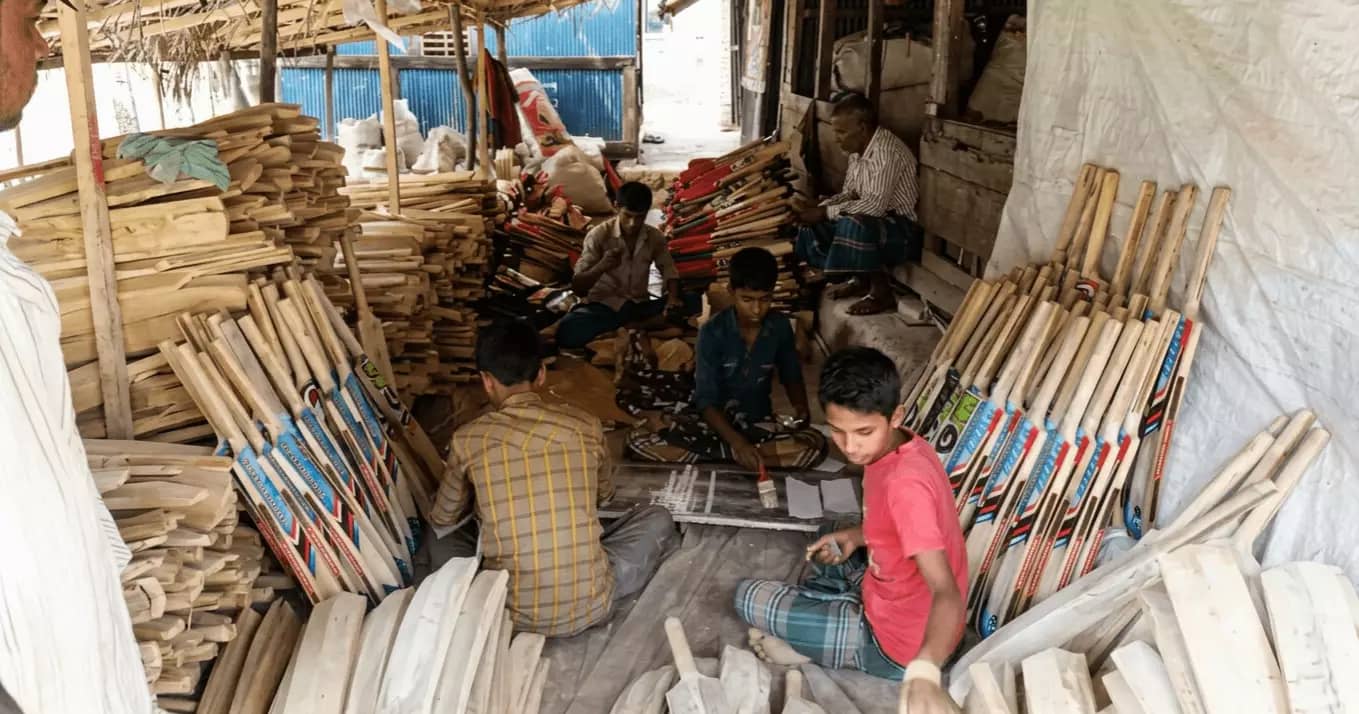
Bangladesh's bat-making hub eyes global cricket market
15 Aug 2026, 10:55 AM - Feature
AI-driven public services / Bangladesh eyes a smarter future